The storage refresh you budgeted for this year is already looking different. Lead times have stretched, vendors are quoting higher than six months ago, and configurations that used to be standard are quietly disappearing from price lists. None of it was in your planning cycle. The global chip shortage has moved from industry headlines into your procurement numbers, and knowing what is behind it is the first step to responding.
Why Is There a Chip Shortage?
The chip shortage running through 2026 is not a conventional supply disruption. It is a deliberate reallocation of global semiconductor manufacturing capacity, driven by economics that favour AI infrastructure over standard storage components. Three companies control over 90% of global DRAM production: Samsung, SK Hynix, and Micron. When those three shift their manufacturing priorities, the entire downstream market shifts with them.
AI Data Centres Are Consuming the Supply
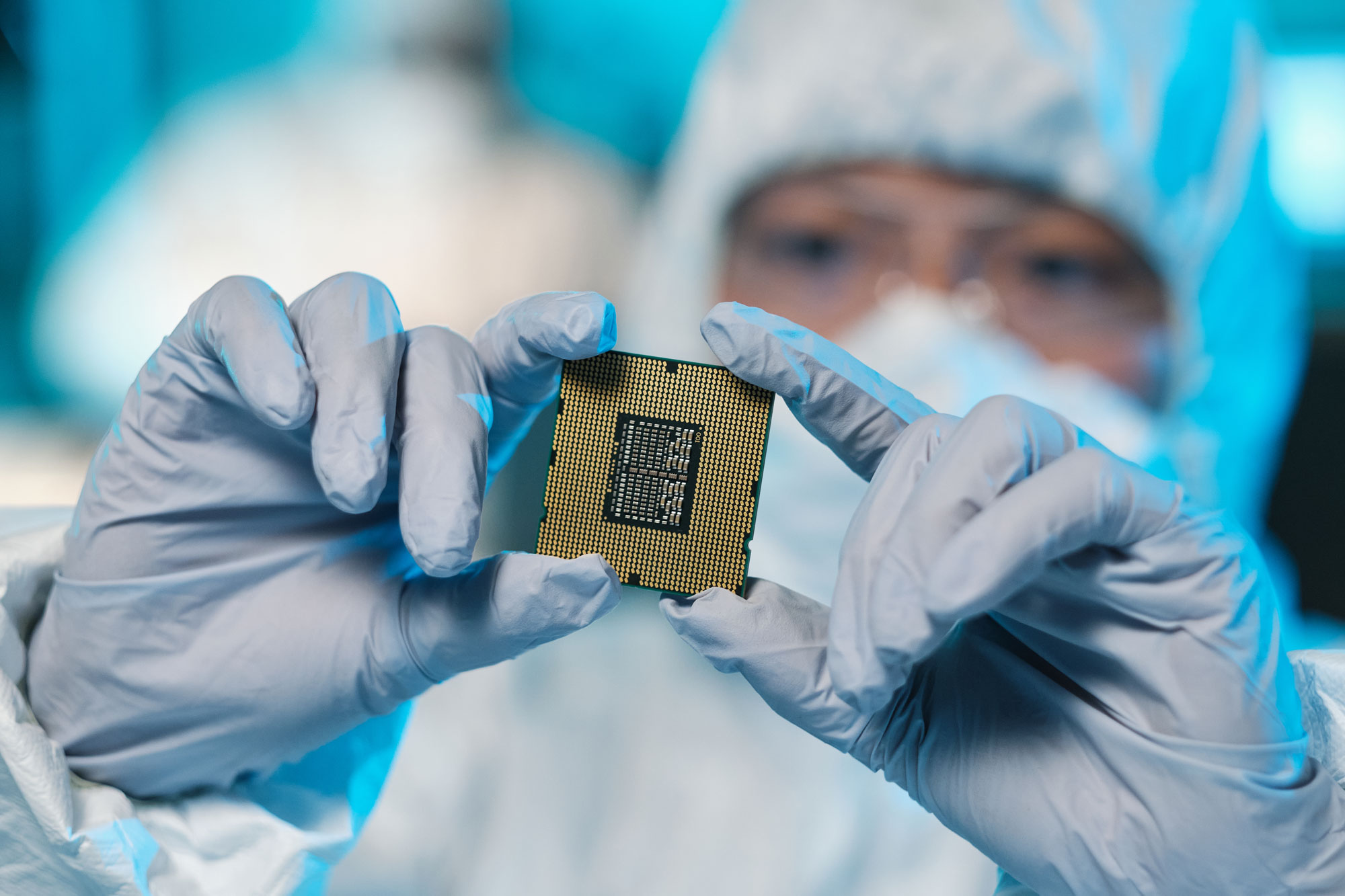
High-bandwidth memory, or HBM, powers the accelerators driving modern AI infrastructure. Producing it requires the same fabrication facilities used to make conventional DRAM and NAND flash. Every wafer allocated to HBM is a wafer removed from the general-purpose memory pool that enterprise storage hardware depends on. As hyperscalers expand AI capacity beyond any prior forecast, this reallocation has left conventional memory in critically short supply.
Manufacturers Are Choosing the More Profitable Product
The shortage is a commercial decision, not an accident of demand. Micron exited the consumer memory market entirely, discontinuing its Crucial brand in early 2026 to redirect capacity toward enterprise and AI customers. SK Hynix confirmed that its DRAM, NAND, and HBM capacity for 2026 was sold out before the year began. The three major manufacturers have made the same call: high-margin AI memory pays better than commodity storage components, and their capacity allocation reflects it.
What the Computer Chip Storage Crisis Means for Enterprise IT Costs
The effects have moved well beyond headlines and into procurement budgets. Servers, SSDs, and NVMe drives have all seen significant price increases as component costs rise. HDDs, which appeared immune a year ago, are now under the same pressure: one major manufacturer confirmed its entire 2026 enterprise HDD supply is essentially fully booked.
Hardware that organisations typically refresh on a three- to five-year cycle is being repriced mid-cycle. Lead times are stretching. Vendors are consolidating product lines and offering fewer configuration options as manufacturers prioritise standard builds. Major OEMs have publicly flagged the impact on their own cost structures, signalling that no enterprise buyer is insulated, regardless of vendor relationship or procurement volume.
How Long Will the Chip Shortage Last?
The honest answer is: longer than most procurement cycles are built to absorb. IDC projects the shortage persisting well into 2027. Kearney’s PERLab analysis goes further, extending that forecast to 2030. New fabrication capacity takes years from announcement to production, and as long as AI infrastructure investment holds at its current pace, the demand-side pressure is not going away.
The Singapore dimension is worth noting directly. Micron produces the substantial majority of its flash memory here and is building new HBM packaging capacity locally. That investment is directed at AI demand, not at expanding conventional storage supply. Organisations in the region are buying on the same global market as everyone else, at the same price levels.
The Case for Storage Infrastructure Built to Last

The chip shortage is a cost problem. Treat it only as that, and you miss the planning signal it carries.
Organisations relying heavily on DRAM-dependent or SSD-intensive storage are most exposed to the current volatility. When the components at the foundation of your storage environment are priced at the mercy of silicon spot markets, budget predictability disappears. AI storage workloads compound that pressure further, generating and retaining data continuously on infrastructure subject to the same pricing dynamics.
Tape, for archival and compliance data that rarely needs to be read back, is not priced by semiconductor spot markets. The cost per terabyte stays predictable even as DRAM and NAND pricing swings. For organisations managing substantial data volumes under regulatory obligations, the financial case for building storage infrastructure across multiple tiers has rarely been stronger.
LT ZERO’s data storage solutions cover the full data lifecycle, built for long-term cost planning rather than dependence on a single tier. For organisations looking to consolidate across file, block, and object storage, LT ZERO’s unified data storage platform offers a path built around how data is actually used, not how it was created.
